

The wearable technology market has undergone a remarkable transformation over the past decade, evolving from simple fitness trackers and smartwatches into a sophisticated ecosystem of interconnected devices that monitor our health, augment our perception of reality, and seamlessly integrate with our daily lives. In 2026, wearable gadgets represent one of the fastest-growing and most innovative segments in consumer electronics, with market growth exceeding expectations and technological capabilities that would have seemed impossible just five years ago. These devices have transcended their role as novelty items to become essential tools for health monitoring, personal productivity, and lifestyle enhancement for millions of users worldwide. The global wearable market has expanded to include devices for every conceivable use case, from specialized medical-grade wearables to fashion-forward accessories that seamlessly blend technology with style.
The convergence of multiple technological advances has made this wearable revolution possible. Improvements in battery technology have extended device runtime significantly, reducing the need for constant charging. Miniaturization of processing power and sensors has enabled previously impossible form factors and capabilities in compact designs. The rise of artificial intelligence and machine learning has transformed wearables from simple data collectors into intelligent devices that provide personalized insights and recommendations. Additionally, improvements in wireless connectivity, particularly the expansion of 5G networks, has enabled real-time data synchronization and cloud-based processing that powers the most advanced features of modern wearables. The decreasing cost of manufacturing advanced sensors and processors has made wearable technology accessible to mainstream consumers rather than remaining a luxury reserved for early adopters and affluent users.
The Evolution of Smartwatches and Advanced Wearables
Smartwatches have become indispensable companions for millions of users worldwide. The latest generation of smartwatches in 2026 represents a quantum leap from their predecessors, featuring significantly improved processors that rival smartphones from just a few years ago, extended battery life that now reaches several days for many models, and advanced health sensors that can detect and monitor a comprehensive array of biometric indicators. Modern smartwatches include multiple sensors working in concert: optical heart rate monitors, electrocardiogram (ECG) sensors for detecting irregular heart rhythms, blood oxygen saturation monitors, skin temperature sensors, accelerometers for motion detection, and barometric pressure sensors for altitude tracking.
The significance of modern smartwatches extends far beyond basic timekeeping and fitness tracking. They serve as mobile payment terminals compatible with major financial networks, emergency notification and communication systems that can alert emergency services automatically in case of falls or health crises, and personal health guardians capable of detecting anomalies that might indicate serious medical conditions. Many users now rely on their smartwatches for critical health alerts that can potentially save lives by detecting irregular heart patterns, extreme blood pressure variations, or falls in elderly users. The integration with smartphone ecosystems has become seamless and intuitive, allowing for Instant Message delivery, voice call capabilities, app notifications, and control of various smartphone functions directly from your wrist without needing to retrieve your phone from your pocket.
Advanced AI assistants integrated into smartwatches learn individual user preferences and patterns, providing contextual recommendations throughout the day. These AI systems understand your schedule, your fitness goals, your communication patterns, and your preferences, using this information to provide proactive notifications and suggestions. For example, an AI assistant might remind you to take medication at the appropriate time, suggest a rest day if it detects unusual stress patterns, or recommend hydration breaks during intensive workouts. The natural language processing capabilities of these AI systems have improved dramatically, allowing for voice commands with better accuracy and context understanding than previous generations.
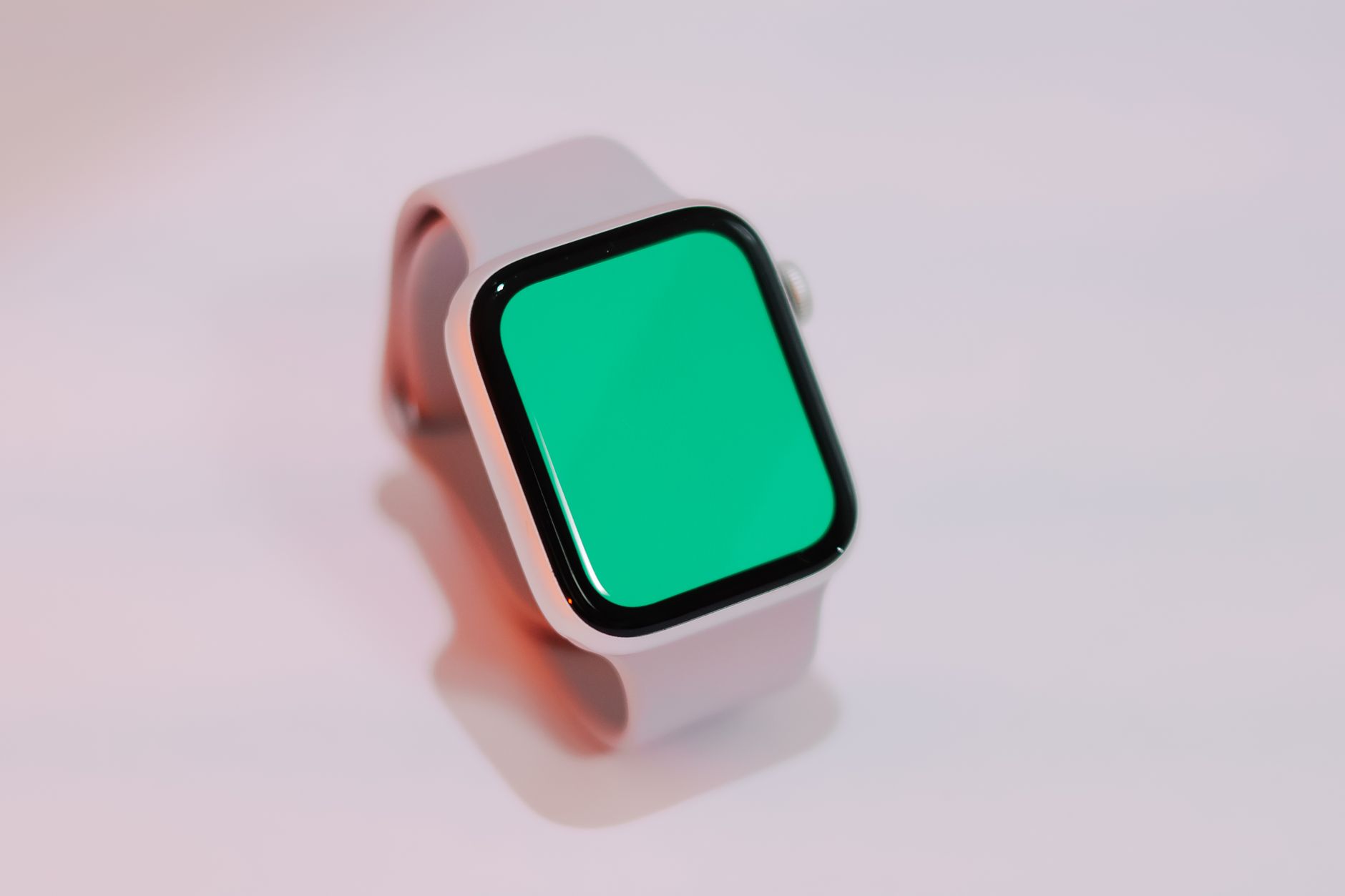
The display technology in 2026 smartwatches has also improved substantially. AMOLED screens with always-on capability allow information to be visible at all times while consuming minimal additional battery power. The refresh rates have increased to 120Hz or higher, providing smooth animations and responsive interactions. Some premium models feature curved or flexible displays that conform to the wrist, offering both aesthetic appeal and improved durability. Touch sensitivity has been enhanced with pressure-sensing capabilities, adding another layer of interaction possibilities. Haptic feedback systems provide tactile responses that enhance user interaction and enable communication through vibration patterns.
Smart Rings: The Next Frontier in Health Monitoring
One of the most exciting and rapidly growing developments in wearable technology for 2026 is the proliferation and sophistication of smart rings. These remarkably compact devices pack impressive functionality into a minimalist form factor that appeals to users who find traditional smartwatches cumbersome, aesthetically limiting, or uncomfortable for extended wear. Smart rings represent a perfect example of the miniaturization trend in wearables, proving that you don't need a large display or bulky form factor to provide comprehensive health monitoring and useful functionality.
Smart rings monitor numerous health metrics with impressive accuracy using miniaturized sensor arrays, including heart rate variability, sleep quality and architecture, body temperature fluctuations, stress levels and cortisol patterns, and movement and activity patterns throughout the day. The sensors in modern smart rings can detect subtle changes in these metrics that often precede noticeable symptoms, providing early warning signs of potenzial health issues. Some advanced models include blood glucose monitoring capabilities for diabetics, electrodermal activity sensors for stress detection, and even preliminary attempts at blood pressure estimation through advanced signal processing.
The advantage of smart rings lies in their unobtrusive design combined with continuous wear capability that smartwatches cannot match. Unlike smartwatches that may need daily or even twice-daily charging depending on usage patterns and features enabled, many modern smart rings offer several days of battery life—often a week or more—while maintaining comprehensive health tracking features. This extended battery life is made possible by the lack of a large display and the optimization of sensor arrays for power efficiency. Users can wear their smart rings continuously, including during sleep, providing uninterrupted health monitoring that offers insights impossible to obtain with devices that are removed regularly.
The data collected by smart rings can be synced to smartphone applications that provide detailed visualizations and actionable insights. Users can view comprehensive reports on their sleep patterns, identifying specific stages of sleep and correlating sleep quality with various lifestyle factors. Activity rings track movement throughout the day with greater granularity than step counts alone, measuring the intensity of exercise and types of activities performt. The integration of biometric trend analysis allows users to see patterns over weeks and months, identifying correlations between their behaviors and health outcomes.
Companies have invested heavily in developing smart rings with improved sensor arrays and increasingly sophisticated AI algorithms that can predict potenzial health issues before they become serious problems. Some models include features like irregular heart rhythm detection for early identification of atrial fibrillation, blood glucose monitoring integrated with meal logging for diabetic management, and analysis of respiratory patterns that might indicate sleep apnea or other respiratory conditions. The integration of NFC technology in certain smart rings also enables contactless payments, transforming the ring into a payment device accepted at most modern point-of-sale terminals.
Augmented Reality Glasses: Transforming Daily Interaction
Augmented reality glasses represent a significant and transformative leap forward in wearable technology for 2026. Unlike virtual reality headsets that completely immerse users in entirely digital environments, cutting off all awareness of physical surroundings, augmented reality glasses maintain full awareness of your physical environment while augmenting it with helpful digital overlays and information. This combination creates powerful possibilities for navigation, professional productivity, entertainment, education, and social interaction that blur the line between physical and digital realms. The sophistication of AR glasses has reached a point where the technology is becoming mainstream rather than remaining a niche product for early adopters.

The practical applications of AR glasses continue to expand exponentially as the technology reaches maturity. Professionals in various fields utilize AR glasses for hands-free access to technical documentation and repair manuals, enabling technicians to perform complex repairs while keeping their hands free and maintaining focus on their work. Real-time translation of foreign language text and speech enables communication across language barriers that previously required phone translation services or translation apps. Remote collaboration capabilities allow field technicians to video conference with experts while showing a live first-person view of their work environment, enabling real-time guidance and problem-solving.
Retail and consumer applications of AR glasses are transforming how people shop and make purchasing decisions. Customers can use AR glasses to view detailed product information, specifications, and customer reviews by simply looking at items in a store, without needing to pull out smartphones or search manually. Price comparison features can display the best prices available for products you're looking at, potentially across multiple retailers. Navigation capabilities within large retail environments or airports can guide you to specific destinations using directional overlays and highlighting systems.
Entertainment and gaming applications leverage the unique capabilities of AR glasses to create immersive experiences that are impossible with traditional screens. Games can overlay digital characters and objects onto your physical environment, creating interactive gameplay that responds to your actual location and movement. Social applications allow friends to leave virtual notes or objects in physical locations, creating a persistent shared reality layer. Educational applications can teach subjects like anatomy, engineering, and history by displaying interactive 3D models overlaid on the real world.
Battery technology and processing power have improved significantly, making AR glasses more practical for extended use. Modern AR glasses in 2026 offer crisp, high-resolution displays with wide field of view, intuitive gesture controls that recognize hand movements and finger interactions, and seamless integration with existing smartphone ecosystems. The lightweight design and improved ergonomics ensure comfortable wear for several hours without the eye strain or neck fatigue that plagued earlier models. Some models now weigh less than 100 grams and feature designs that closely resemble regular eyeglasses.
Advanced Fitness Trackers and Health Monitoring Devices
Fitness trackers have evolved far beyond simple step counters and basic calorie tracking features. Modern wearable fitness devices provide comprehensive health analytics that can rival traditional medical-grade equipment in many diagnostic capabilities. They track not only physical activity metrics like steps and calories, but also sleep architecture, stress levels, recovery metrics, and numerous biometric indicators that help users optimize their health and fitness regimen with data-driven insights.
The latest generation of fitness trackers incorporates advanced sensors that were previously found only in clinical settings. Electrocardiogram (ECG) capabilities allow detection of irregular heart rhythms that might indicate atrial fibrillation or other cardiac issues. Blood oxygen saturation monitoring (SpO2) provides data about oxygen levels in the bloodstream, useful for detecting sleep apnea and other respiratory issues. Skin temperature tracking can reveal fevers or infection before other symptoms become apparent. Electrodermal activity sensors measure stress responses at the physiological level, providing more accurate stress assessment than simple heart rate variability measurements.
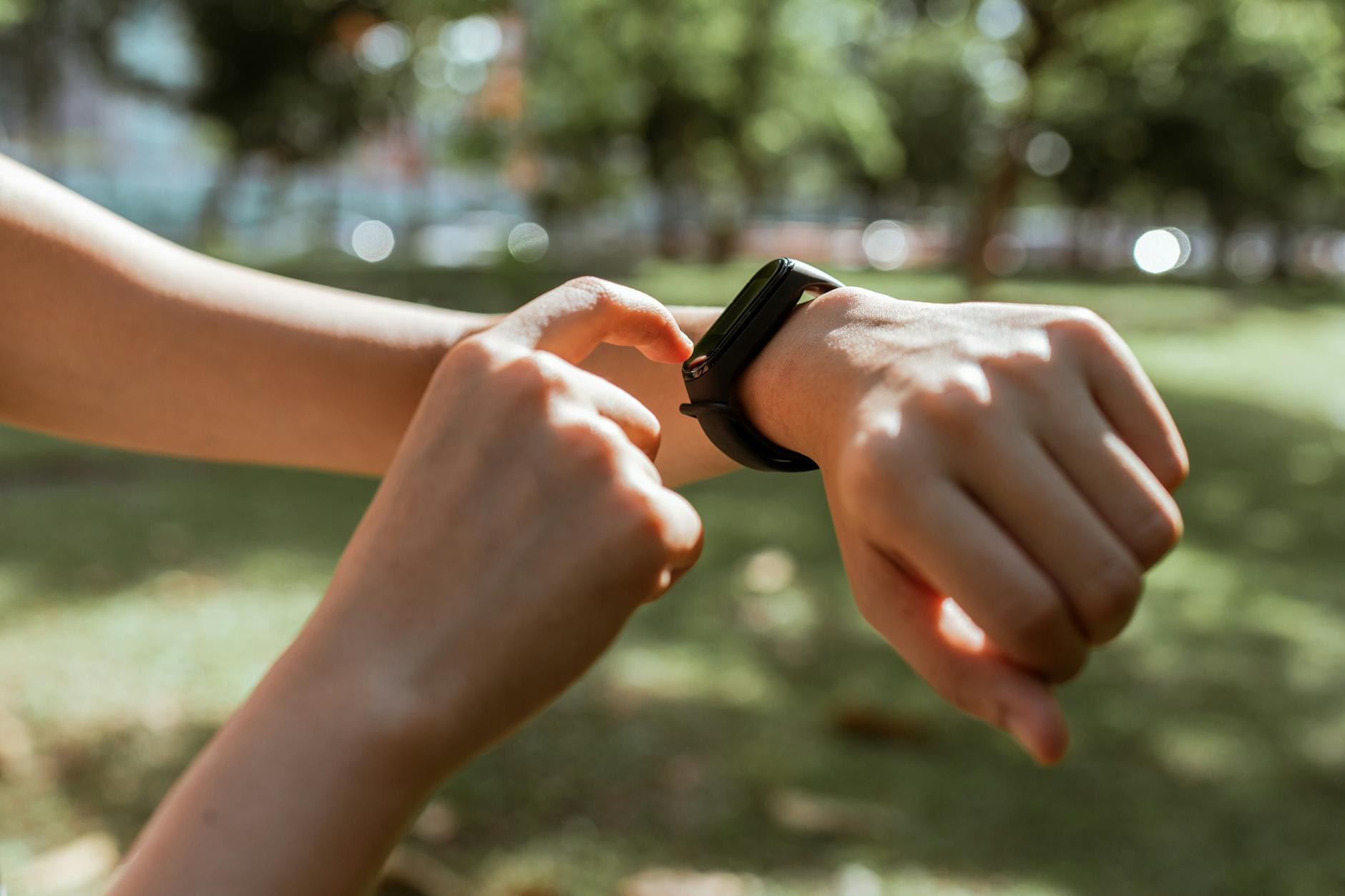
Machine learning algorithms analyze complex patterns in wearable data to provide actionable insights. These algorithms can identify sleep disorders, predict overtraining in athletes, detect metabolic changes that might indicate illness, and recognize stress patterns that correlate with poor health outcomes. The algorithms improve over time as they collect more personal data, becoming increasingly accurate at predicting individual health trends. Some advanced systems can even identify subtle changes that precede symptomatic illness by days or weeks, enabling preventive interventions. Integration with fitness applications and comprehensive health platforms allows users to consolidate all their health data in a unified dashboard where trends and patterns become immediately apparent.
Personal trainers and healthcare providers can access this information with proper permissions, enabling more personalized coaching and medical guidance. Athletes can share data with coaches to optimize training programs and identify recovery needs. Patients managing chronic conditions can share data with physicians to enable better clinical decision-making and early detection of complications. The ability to share data with healthcare professionals has made wearable fitness trackers increasingly popular among patients managing diabetes, cardiovascular disease, respiratory conditions, and sleep disorders.
Wireless Earbuds as Wearable Computing Devices
Modern wireless earbuds have evolved into sophisticated wearable computing platforms far beyond simple audio playback devices. They feature integrated biometric sensors for health monitoring, bone conduction technology options for safer audio delivery, active noise cancellation with multiple transparency modes, and sophisticated AI-powered features that transform them into personal assistants you carry in your ears.
The latest earbuds include ambient intelligence features that provide contextual notifications based on your location and activities, real-time language translation that enables communication across language barriers, and voice-activated personal assistant capabilities that rival smartphone assistants. Some models monitor for health indicators like irregular heartbeat patterns detected through bone conduction sensors, unusual body temperature readings through skin contact, and breathing patterns during workouts. The integration of spatial audio and head-tracking technology creates immersive listening experiences that adapt to head movements and environmental acoustics, providing a 3D soundscape that responds to your physical orientation.
Key Features That Define 2026 Wearables
Several technological advancements characterize the wearable gadgets available in 2026, distinguishing them from previous generations. Artificial intelligence has become a core component of virtually every wearable device, with machine learning algorithms that personalize the user experience, predict health issues before they become serious, optimize battery usage, and enable natural language interaction. Battery technology improvements have extended usage periods from hours to days or weeks, addressing one of the major pain points that plagued previous wearable generations.
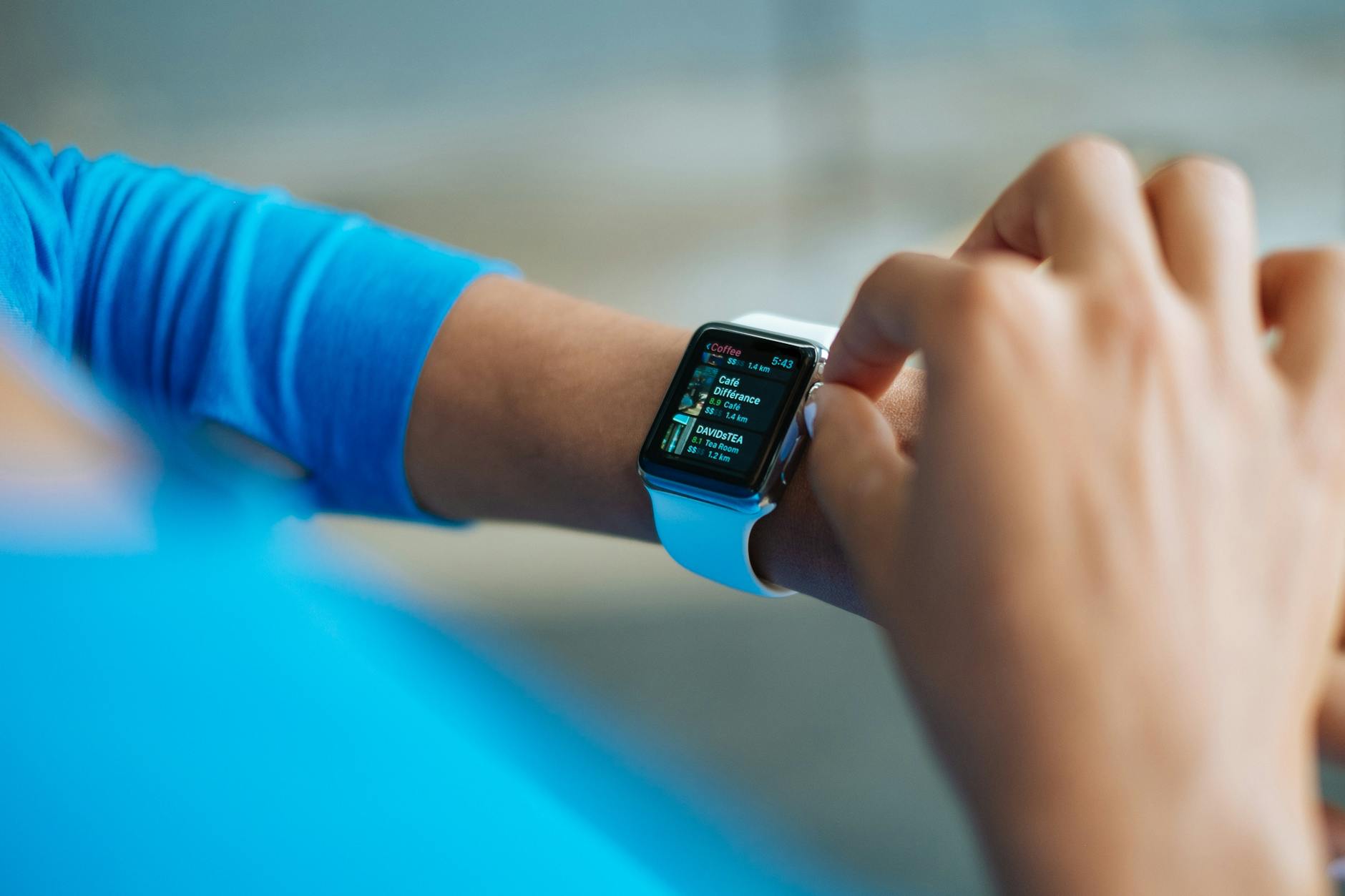
Connectivity has been revolutionized with the widespread adoption of 5G technology in wearable devices, enabling real-time data synchronization with minimal latency and cloud-based AI processing that offloads heavy computational tasks from power-constrained wearable processors. Security and privacy protections have become paramount concerns, with encrypted end-to-end data transmission, local processing options that keep sensitive health information on your personal devices, and granular privacy controls that give users complete authority over their data. Water resistance and durability have become standard features rather than premium options, allowing comprehensive usage scenarios including swimming, water sports, and showering without requiring device removal.
Integration with Smart Home Ecosystems
Wearable devices in 2026 function as control hubs for smart home environments, enabling seamless interaction with connected devices throughout your home. Your smartwatch can unlock smart locks using encrypted wireless protocols, adjust thermostat settings based on your location and preferences, control lighting systems to create appropriate ambiance, and manage entertainment systems throughout your home through intuitive gestures or voice commands. This seamless integration creates a cohesive technological ecosystem where your personal wearables extend your control into your physical environment. The synergy between wearables and smart home systems creates new possibilities for automation that responds to your presence, location, and physiological state.
The interoperability between different wearable devices and smart home platforms has improved dramatically over the past few years. Users no longer face the limitations of proprietary ecosystems where devices from different manufacturers cannot communicate; instead, they can mix and match devices from different manufacturers as long as they support common communication protocols like Matter or open-source alternatives. This flexibility has democratized the wearable market and driven fierce competition and innovation across multiple manufacturers, ultimately benefiting consumers through better products and lower prices.
Challenges and Considerations for Wearable Adoption
Despite impressive technological advancements, wearable technology in 2026 faces several significant challenges that limit widespread adoption. Battery technology, while substantially improved, still cannot match the ideal of multi-week battery life that many users desire for true set-and-forget convenience. Privacy and data security remain paramount concerns as these devices collect intimate health information that requires robust protection against unauthorized access and misuse. Standardization across manufacturers continues to be a challenging issue, with proprietary software platforms limiting interoperability between different brand ecosystems despite improvements in open standards.
The environmental impact of manufacturing billions of wearable devices annually raises serious concerns about electronic waste, resource consumption, and sustainability. Many manufacturers are responding to these concerns by designing devices with replaceable components, using recycled materials in construction, and establishing take-back programs for recycling old devices. The health implications of continuous wearable usage and constant biometric data collection are still being researched, with some experts suggesting that continuous notifications and biometric monitoring may impact mental health, create technology dependency, or cause anxiety in some users.
Future Outlook for Wearable Technology
The trajectory of wearable technology suggests continued rapid innovation and miniaturization. Flexible displays that can bend and fold are in advanced development stages and may become mainstream features within the next few years. Brain-computer interfaces and advanced bioelectronics are transitioning from research laboratories to prototype devices, opening possibilities for neural monitoring and control that were previously purely theoretical. The convergence of wearables with biotechnology opens fascinating but complex possibilities for implantable devices that monitor health at the cellular level and deliver targeted treatments or medications.
Investment in wearable technology continues to increase exponentially as both established technology companies and innovative startups recognize the enormous market potenzial. The healthcare sector drives significant innovation funding, with insurance companies and healthcare providers funding development of wearables that can reduce hospitalizations, enable early intervention, and improve preventive care outcomes. As the technology matures and manufacturing costs decrease, wearable devices will likely become ubiquitous, with most people owning multiple wearables optimized for different aspects of their lives—one for fitness, one for health monitoring, one for productivity, and so on. The convergence of wearables with other emerging technologies like artificial intelligence, edge computing, and advanced bioelectronics will create entirely new product categories that we cannot yet fully imagine.
Conclusion: Embracing Wearable Technology in 2026
Wearable gadgets in 2026 have transcended their origins as novelty fitness devices and status symbols to become essential components of modern life. From smartwatches that provide critical health alerts and personalized AI assistance to AR glasses that augment your perception of reality, from smart rings that monitor health with unprecedented accuracy to advanced fitness trackers that rival medical devices, these gadgets offer capabilities that seemed like pure science fiction just a few years ago. The convergence of improved hardware, powerful AI algorithms, and extensive sensor arrays creates unprecedented opportunities for personalized health monitoring, enhanced productivity, seamless smart home integration, and a richer interaction with our digital and physical worlds.
Whether you are an elite athlete optimizing training performance through data-driven insights, a patient proactively managing chronic health conditions through continuous monitoring, a professional seeking enhanced productivity and seamless access to information, or simply someone interested in the latest technology innovations, there is a wearable device specifically designed to meet your unique needs and enhance your lifestyle. The wearable revolution is not coming in some distant future—it is already here in 2026, and this moment represents a pivotal inflection point where these technologies have achieved the necessary maturity, affordability, and functionality to become valuable and accessible to mainstream consumers worldwide. As we look forward, the possibilities for wearable technology seem virtually limitless, promising to transform not just how we interact with technology, but how we understand and optimize our own health and wellbeing.